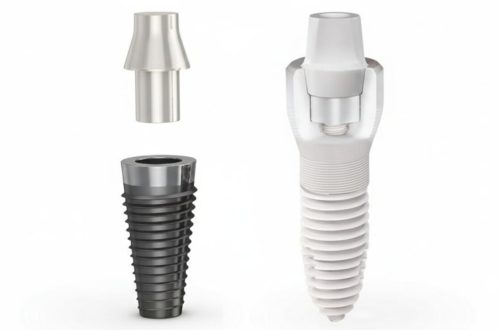
Dental implants are artificial tooth roots, typically made of titanium or zirconia, that are surgically placed into the jawbone to support crowns, bridges, or dentures. They are a popular and effective solution for replacing missing teeth, offering improved aesthetics, chewing function, and long-term stability. However, despite their durability, dental implants are not immune to complications. Unlike natural teeth, implants do not have a periodontal ligament, which means they lack the same natural defense mechanisms. The surrounding tissue is more susceptible to inflammation, and once bone loss begins, it’s often irreversible. Proper daily cleaning is essential to prevent plaque accumulation, which…