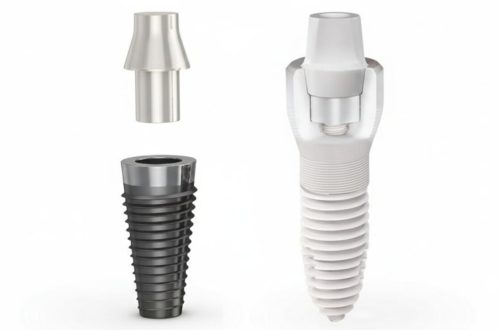
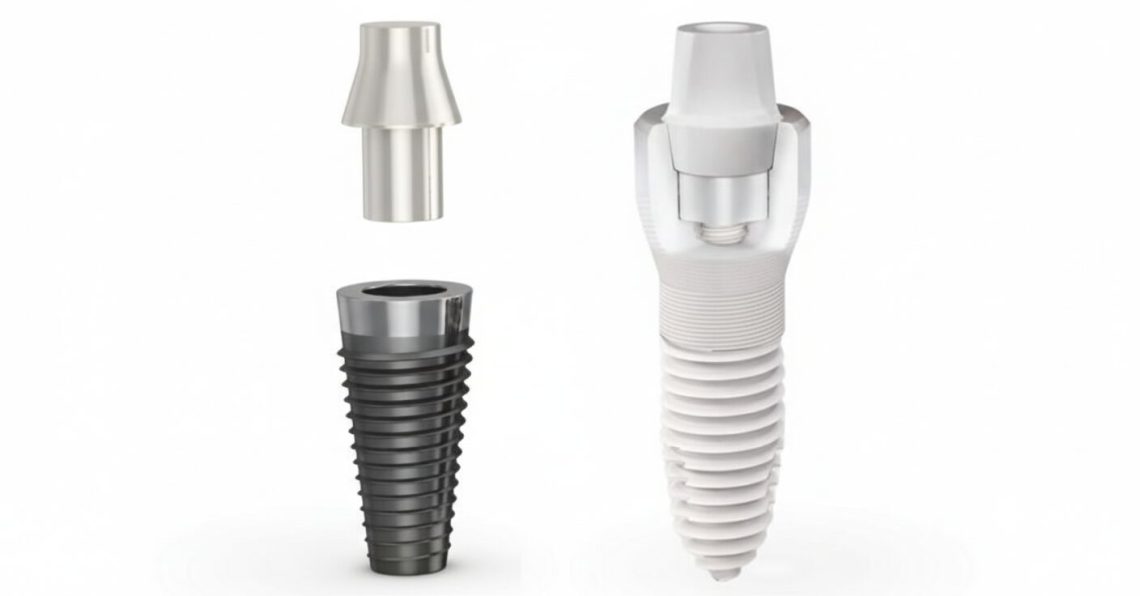
Dental implants have fundamentally transformed modern dentistry, offering the most stable and long-lasting solution for replacing missing teeth. Unlike traditional bridges or removable dentures, a dental implant functions as an artificial tooth root, creating a permanent anchor that integrates directly with the jawbone. This stability is achieved by embedding a fixture—the implant post itself—into the bone, providing an unshakable foundation for the final crown. For decades, the choice of material for this critical fixture was straightforward: Titanium. This strong, lightweight metal earned its title as the gold standard due to its unmatched strength and exceptional biocompatibility. However, clinical advances have…
-
-
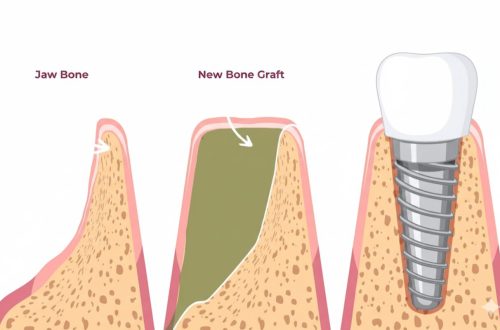
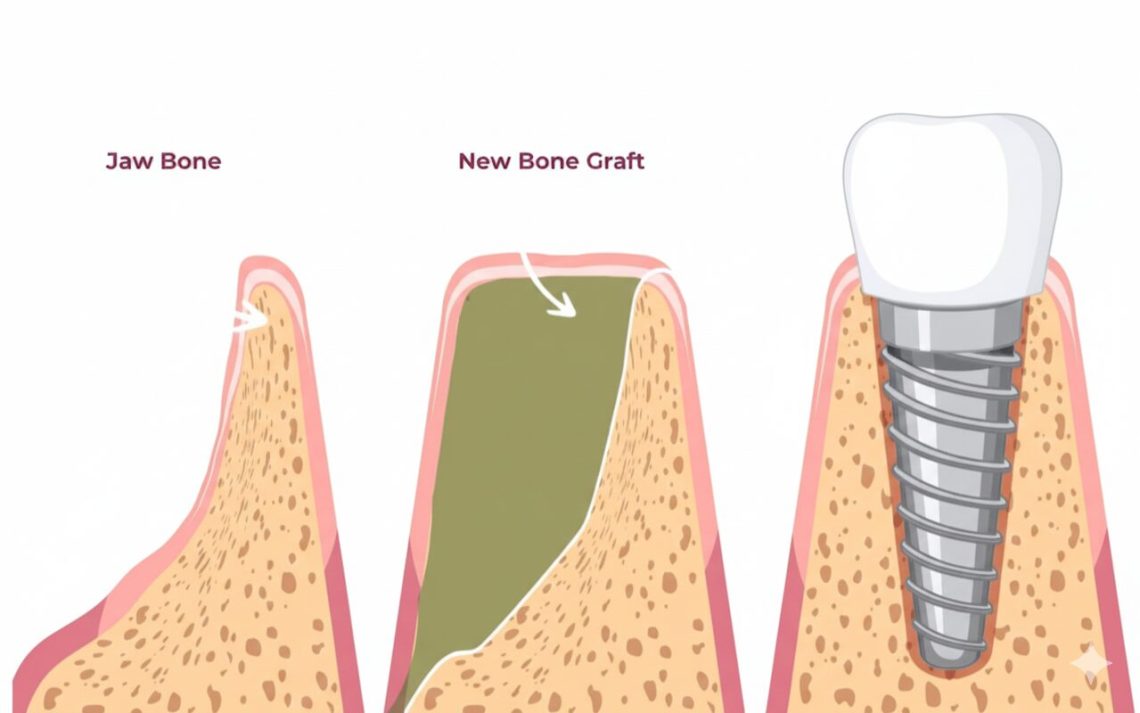
Dental implants are widely recognized as the gold standard for replacing missing teeth, offering unparalleled stability and functionality. However, the long-term success of an implant is entirely dependent on one critical factor: the health and volume of the underlying jawbone. This is where Bone Augmentation comes into play. Bone augmentation is a group of surgical procedures—including bone grafting and sinus lifts—designed to rebuild and restructure the jawbone where bone mass has been lost. These procedures are often a necessary prerequisite to ensure the implant fixture can be securely anchored in dense, native bone. But why is augmentation so frequently required?…
-
Losing a tooth can be a stressful and disruptive experience, often accompanied by the fear of long, multi-stage dental treatments. For years, the traditional path to a full dental implant restoration involved months of waiting between surgery, healing, and the final placement of the permanent crown. This protracted timeline often meant long periods with visible gaps or uncomfortable temporary solutions. But what if you could restore your smile and confidence in just one day? This is precisely why Same-Day Implants—also known as Immediate Load Dental Implants—have become a revolutionary option in modern dentistry. They offer a solution to the desire…
-
Dental implants are widely considered the gold standard in modern tooth replacement, offering stability, strength, and long-term functionality that other solutions simply cannot match. Patients hear that implants can last a lifetime, but most do not understand what that really means in clinical practice. The lifespan of an implant is not determined by a single factor—it is the result of surgical precision, implant design, bone quality, oral hygiene, lifestyle habits, and the patient’s overall health. Because of this, there is no universal “expiration date.” Some implants function flawlessly for 30 or more years, while others fail much earlier due to…
-
Fear of pain is one of the main reasons people postpone dental implant treatment, even when they know it is the most reliable way to replace missing teeth. Many patients imagine complex surgery, long recovery, and intense discomfort. In reality, modern implant dentistry looks very different from what most people expect. Thanks to advanced anesthetics, minimally invasive surgical techniques, and precise planning, the majority of patients report only mild discomfort during and after the procedure. Clinical data consistently confirms this. A study published in the International Journal of Oral & Maxillofacial Implants found that most patients rated postoperative pain as…
-
Replacing a missing tooth is more than a cosmetic fix — it restores key oral functions like chewing, speech and bite balance, and helps preserve overall oral health and facial structure. Studies show that tooth loss significantly reduces quality of life, affecting chewing ability, social interaction and self-confidence. Today’s two main fixed-tooth replacement options are dental implants (an artificial root plus crown) and dental bridges (a prosthetic tooth anchored to neighbouring teeth). Both aim to restore appearance and function, yet they differ in procedure, cost, longevity and impact on surrounding tissue. The core challenge for many patients is: which option…
-
Losing a single tooth may seem like a small problem, but its impact reaches far beyond appearance. Even one missing tooth can disrupt chewing efficiency, alter speech, and cause progressive changes in the jawbone. Research shows that the bone in an untreated extraction site can lose up to 25% of its volume within the first year, with continued resorption over time if no root or implant is present to stimulate the bone (Atwood, 1979; Schropp et al., 2003). The most common reasons for single tooth loss include trauma, advanced tooth decay, and periodontal disease, all of which can compromise not…
-
Tooth loss is a common issue affecting millions of people worldwide, leading not only to aesthetic concerns but also to functional problems such as impaired chewing, speech difficulties, and progressive bone loss. Dental implants have emerged as the most advanced and biologically sound solution for replacing missing teeth, offering long-term stability, high success rates (consistently over 95% at the 10-year mark), and restoration of full oral function. For patients seeking a permanent, reliable alternative to dentures and bridges, dental implants provide a revolutionary path to restored confidence and oral health. They are the only treatment option that actively stimulates and…