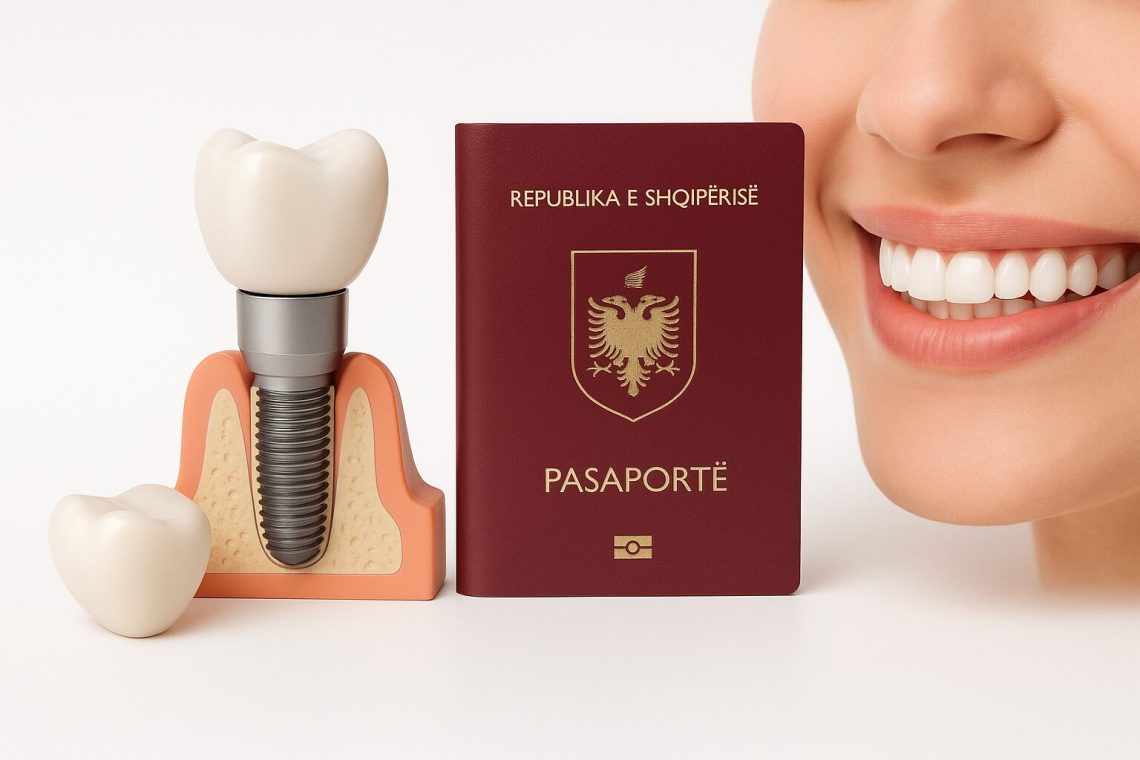
In recent years, Albania has emerged as one of the most sought-after destinations for affordable, high-quality dental care—particularly dental implants. Patients from across Europe and even North America are increasingly choosing Albanian clinics over domestic providers, saving thousands of euros while receiving top-tier treatment. But why Albania? What makes this small Balkan country stand out in the competitive world of dental tourism?
This article explores the key reasons behind Albania’s growing reputation in implant dentistry: from modern clinics and Western-trained surgeons to unbeatable prices and picturesque recovery options. If you’re considering getting dental implants abroad, understanding what Albania offers can help you make a smart, informed decision.
Quality of Care
Albania has significantly raised the standard of its dental services over the past decade, supported by strong private investment and the widespread adoption of European clinical protocols. Modern clinics in cities such as Tirana and Durrës operate with the same diagnostic tools, sterilization technology and digital workflows found in high-end Western European practices.
Most Albanian implantologists have received part of their training in Italy, Germany or Turkey and follow internationally recognized surgical protocols for implant placement, bone regeneration and guided surgery. This is consistent with findings from a 2024 study published on ResearchGate, which analyzed why foreign patients — particularly Italians — travel to Albania for dental treatment, highlighting clinical quality, modern equipment and positive treatment outcomes as primary motivators.
(Source: “Dental Tourism in Albania”, ResearchGate, 2024)
Several factors support the high level of care delivered in leading clinics:
- Modern Technology
Clinics routinely use CBCT, digital impressions, surgical guides and CAD/CAM prosthetics, ensuring predictable and precise implant placement. - Experienced Surgeons
High annual case volumes (hundreds of implants per surgeon) contribute to consistent results and shortened treatment timelines. - International Implant Brands
Many clinics use globally recognized systems such as Straumann, Nobel Biocare and Megagen, ensuring material reliability and long-term success rates. - EU-Level Sterilization Standards
Private practices follow strict hygiene protocols, Class B autoclaving and complete sterilization documentation for every patient. - Multilingual Patient Care
English and Italian are standard in most clinics, with many also offering German-speaking coordinators for international patients.
Combined, these elements position Albania as a strong alternative to Western Europe for patients seeking high-quality implant treatment with lower overall costs.
Pricing Advantage
One of the most compelling reasons patients choose Albania for dental implants is the significant cost savings. According to a recent overview from Albanian Dental Agency, a single titanium implant, complete with abutment and crown, can cost as little as $383 (≈ €350–€400) in Albania — less than one-tenth of typical prices in Western countries as you can see here.
Why the savings are so substantial
- Lower operational and labour costs: Clinic and staff expenses in Albania are markedly lower than in Western Europe, which allows clinics to offer competitive pricing while maintaining quality.
- Favourable currency and economic conditions: The Albanian lek and local cost of living contribute to lower overheads for equipment, wages and property.
- Less waiting time and high efficiency: Many Albanian clinics operate high-volume treatment sessions, enabling shorter stays and streamlined costs.
Typical savings for patients
For example, while Western patients might pay €1,500–€2,500 or more for a single implant in their home country, Albanian clinics offer equivalent treatments from around €300–€500 with full service packages. These savings even allow for additional treatments or upgraded materials without pushing beyond the original budget.
What to verify to ensure the bargain is genuine
Cost alone should not be the deciding factor. Ensure that your quote includes:
- Implant, abutment and crown
- Diagnostic imaging (CBCT)
- Any pre-treatment like bone grafting if necessary
- Follow-up visits and potential complications
A quote that seems very low but omits one of these can still end up costing significantly more.
Travel & Accessibility
Albania has become one of the most accessible destinations for international dental patients, particularly from Europe. Tirana International Airport connects the country with major cities including Rome, Milan, Vienna, Munich and London, with flight times typically ranging from 1 to 2 hours. This makes short treatment trips not only possible but convenient.
According to the official data published by Tirana International Airport, the number of passengers has grown rapidly in the past three years, largely driven by increased low-cost connections and medical tourism.
Once in the country, patients benefit from short transfer distances — most clinics in Tirana are located 10–20 minutes from the airport — and the city’s compact layout makes navigating between hotels, clinics and diagnostic centers straightforward. Travel platforms such as Lonely Planet highlight Albania as one of the fastest-growing European destinations, citing ease of travel, modern infrastructure and increased tourism services.
This combination of short flights, growing air connectivity and simple local logistics makes Albania an attractive and practical option for patients seeking implant treatment abroad without extensive planning or long travel commitments.
Legal & Ethical Standards in Albanian Dentistry
Albania’s private dental‑care sector is regulated by the Ministry of Health and Social Protection, ensuring that clinics performing implant procedures are subject to national standards for licensure and hygiene.
According to a comprehensive FAQ guide on dental tourism, “all dentists must be licensed by the Albanian Ministry of Health; clinic standards: facilities must meet specific hygiene and safety requirements.” Additionally, international reports note that dentistry in Albania is regulated by the Ministry in cooperation with the Albanian Dental Association, further reinforcing the oversight of the industry.
Leading clinics often hold ISO certifications or work with international insurance networks to meet the expectations of foreign patients seeking high‑quality treatment abroad. These factors contribute significantly to building trust and credibility in Albania as a destination for elective dental implant care.
Types of Implant Services Offered
Albanian dental clinics provide a full spectrum of implant-related procedures, catering to both simple and complex cases. This goes far beyond just offering “cheap implants” — it’s a comprehensive treatment ecosystem designed to meet international standards.
Common procedures include single-tooth implants, implant-supported bridges, and full-arch restorations such as All-on-4 and All-on-6 systems. For patients with compromised jawbone structure, supplementary treatments like tooth extractions, bone grafting, sinus lifts, and PRF (Platelet-Rich Fibrin) therapy are readily available.
In terms of prosthetic solutions, clinics offer everything from standard ceramic crowns to premium full-zirconia restorations for superior strength and aesthetics. Many practices also employ digital navigation and guided surgery using 3D-printed templates, enhancing precision and reducing recovery time.
These advanced offerings demonstrate that Albania’s implantology sector delivers complete, modern solutions — not just budget-friendly prices.
Checklist for Choosing the Right Clinic
Selecting the right clinic for dental implant treatment abroad can be critical to both safety and outcome. Use the following checklist to guide your decision-making and ensure transparency throughout the process:
- Is the clinic licensed and does it provide verifiable references or case studies?
- Which implant brands and systems are being used, and are they recognised internationally?
- Does the quoted cost include all necessary steps—such as diagnostics, implant, abutment, crown, follow‑ups and any required augmentation procedures?
- Are the dentists and coordinators able to communicate fluently in English or Italian (and ideally German), and is there a dedicated patient‑liaison service for international guests?
- Does the clinic offer a written contract and guarantee detailing the materials used, the scope of treatment and terms for complications or revisions?
Meeting these criteria can significantly reduce risks and give you clearer expectations of what’s included in your treatment plan.
Recovery and Tourism in Albania
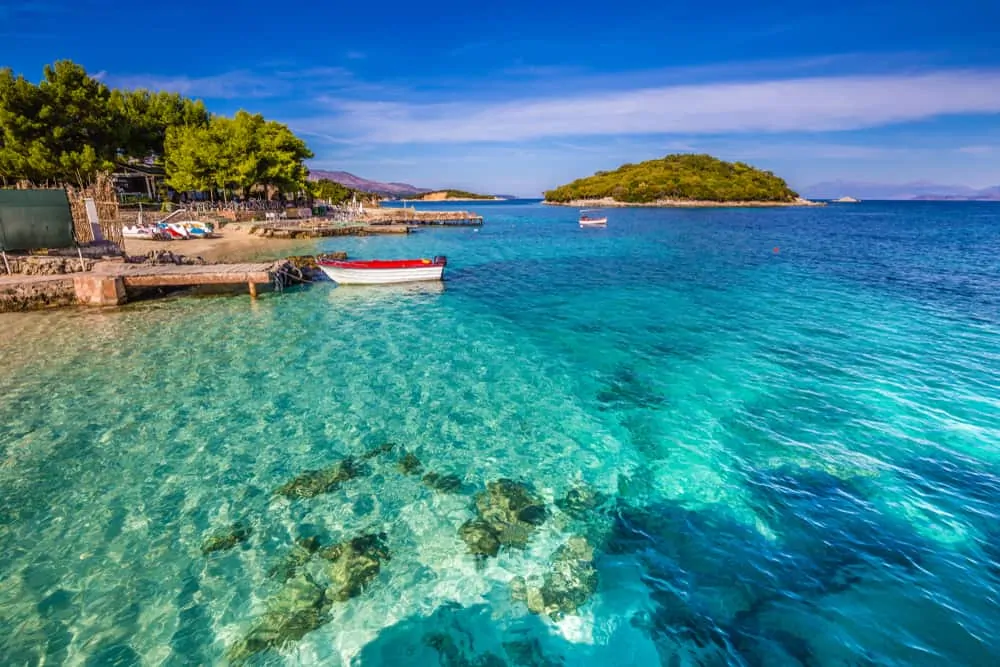
Many patients travelling to Albania for dental implant treatment choose to pair their procedure with a short recovery stay in one of the country’s scenic destinations. For example, clinics near the coastal town of Durrës — reachable from Tirana in just 10–20 minutes — enable a night or two of rest by the seaside before heading home.
Some key features:
- Many clinics assist with accommodation and airport transfers, ensuring that your travel, treatment and stay are coordinated seamlessly.
- After the surgical phase, the initial recovery period is brief—often only 1–2 days—allowing patients to relax on the beach or in a spa‑hotel while healing takes place.
- Popular destinations for a dental tourism stay include the Albanian Riviera along the Ionian Sea and historic towns such as Berat and Gjirokastër, offering a mix of relaxation and cultural exploration.
By choosing Albania, you not only benefit from advanced implantology and cost savings, but also from the opportunity to recuperate in a Mediterranean environment. Turning a dental procedure into a brief and comfortable getaway.
Conclusion: Is Albania the Right Choice for Dental Implants?
Choosing to undergo dental implant treatment abroad is a significant decision—one that involves not only medical considerations, but also trust, logistics, and long-term satisfaction. Albania has rapidly earned its reputation as a serious contender in the global dental tourism market by combining advanced clinical care with accessible pricing, modern infrastructure, and a growing ecosystem of multilingual clinics that cater to international patients.
From licensed clinics equipped with European-standard technology to experienced surgeons trained across Europe, the country delivers more than just a budget-friendly service. Patients benefit from transparent treatment plans, fast timelines, and comprehensive care—including pre-op imaging, guided surgery, and post-op follow-up—without the bureaucratic complexity or inflated costs found in many Western systems.
What sets Albania further apart is the experience that surrounds the treatment. Whether it’s the convenience of short flights, the ease of urban mobility, or the chance to recover in a Mediterranean resort or mountain retreat, Albania transforms dental care into a journey that feels less like a medical obligation and more like a well-planned, value-packed experience.
For those seeking reliable implant dentistry without financial strain—and with the added bonus of travel—Albania proves to be not just a destination of interest, but a smart, strategic choice. Just remember: do your research, choose a licensed clinic, and verify exactly what’s included in your treatment plan. If you do that, chances are high you’ll return home with more than a new smile—you’ll bring back a story worth sharing.
FAQ
What are dental implants?
Dental implants are small titanium or ceramic screws implanted into the jawbone that act as artificial tooth roots, providing a stable foundation for crowns, bridges or full-arch restorations.
How much do dental implants cost in Albania?
Prices vary depending on the case, but many clinics list single implants from approximately €300–€500.
Are dental clinics in Albania safe and accredited?
Yes. Dental clinics in Albania operate under the supervision of the Ministry of Health and Social Protection, and many use certified materials and follow European protocols.
Which types of implant services are offered in Albania?
Services range from single-tooth implants to full‑arch reconstructions (All‑on‑4, All‑on‑6), plus supplementary procedures like bone grafting, sinus lifts and PRF therapy.
How long does the implant treatment process take?
Typically, the surgical placement is a day visit; full integration with bone may take 3–6 months depending on bone quality and whether grafting was necessary.
Is the cost entirely inclusive? What should I check?
Patients should verify if the quote includes implant, abutment, crown, diagnostics (CBCT), and any needed preparatory surgery like grafts or extractions. Some low quotes exclude key components.
Can I combine dental treatment with a holiday in Albania?
Yes — many clinics assist with accommodation, transportation, and recovery stays at seaside destinations such as the Albanian Riviera.
Do Albanian dental teams speak my language?
International clinics often have multilingual staff fluent in English, Italian or German, and offer support throughout the treatment and stay.
Are full‑arch solutions available in Albania?
Yes — full‑mouth rehabilitation procedures like All‑on‑6 or All‑on‑8 are offered by several clinics in Tirana, often at significantly reduced costs.
What are common risks and how can I minimise them?
While implantology is highly successful (over 95% in many clinics), risks include poor bone quality, smoking, or untreated gum disease. Choose a licensed clinic and follow the post‑operative care plan.

