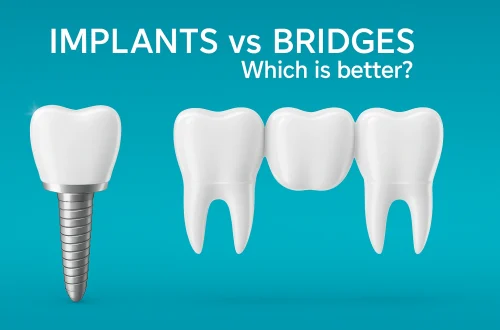
Dental implants are widely recognized as the most effective and durable solution for replacing missing teeth—but they also come with a price tag that often raises questions. Unlike standard dental treatments with fixed fees, the cost of implants can vary significantly depending on multiple factors, including geography, materials used, the complexity of the case, and the experience of the dental professional.
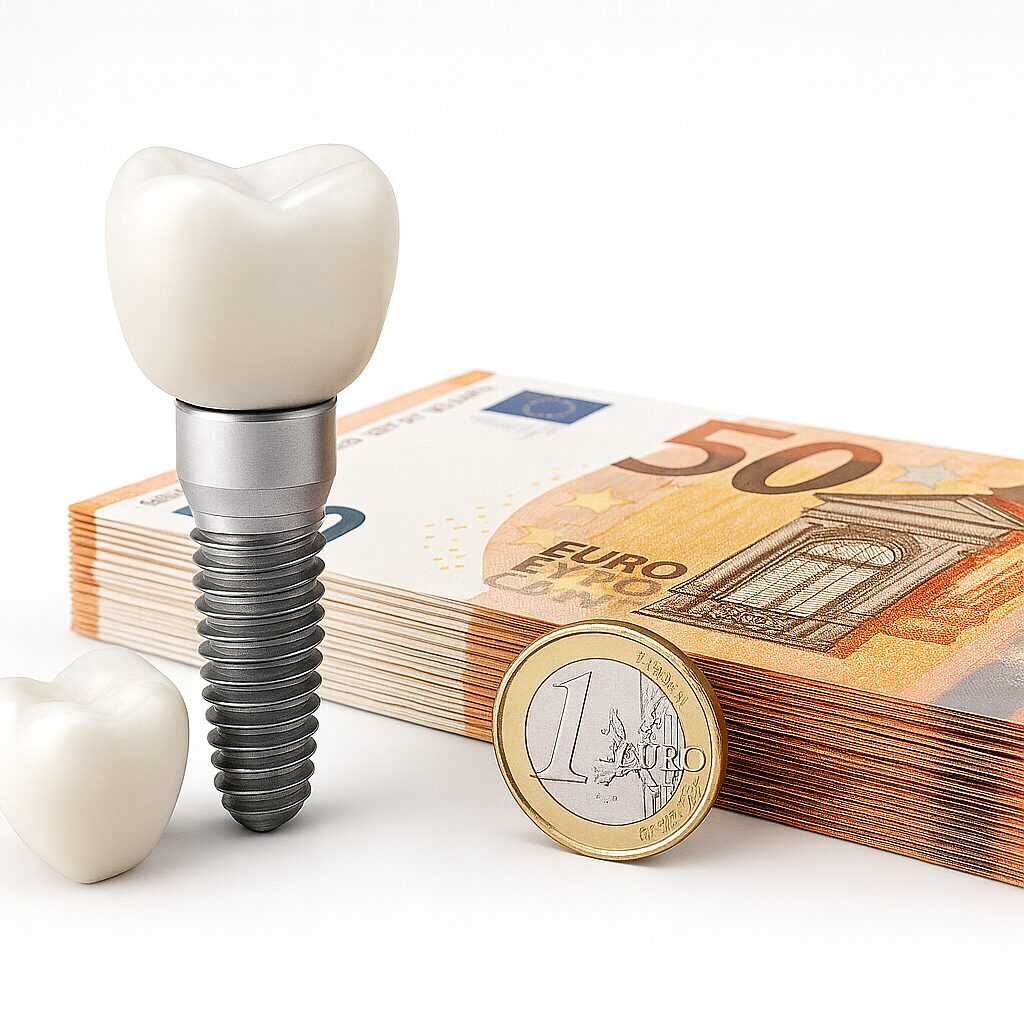
This variability can be confusing for patients who are trying to make an informed decision. One clinic may advertise implants for a fraction of the cost of another, leading to uncertainty about what’s included, what’s extra, and whether lower prices mean lower quality.
In this article, we’ll break down what goes into the cost of a dental implant, examine average prices in different regions, and highlight key factors that affect the final bill—so you can navigate your options with clarity and confidence.
What’s Included in the Cost of a Dental Implant
The total price of a dental implant is not based on a single item. It is a combination of several clinical, surgical, and laboratory components that together create a complete, functional tooth replacement. Understanding these components helps clarify why prices vary between clinics and countries.
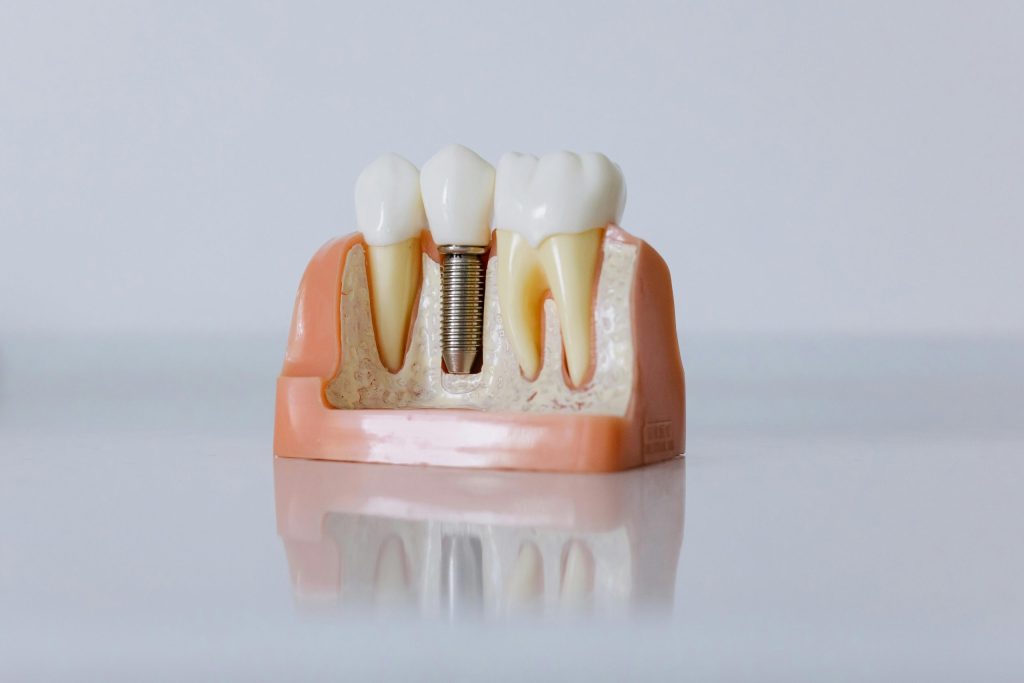
1. The Implant Fixture
This is the titanium or zirconia screw placed into the jawbone.
Its price depends on:
- the brand and certification,
- material (titanium vs. zirconia),
- surface technology,
- country of manufacture.
Premium brands with long-term studies often cost more but offer higher predictability and better prosthetic compatibility.
2. The Abutment
The abutment is the connector between the implant fixture and the final crown.
It can be:
- stock (standard),
- or custom-made (CAD/CAM).
Custom abutments provide better fit and soft-tissue shaping, but they increase the overall cost.
3. The Crown
The visible part of the tooth, usually made from:
- zirconia,
- porcelain fused to metal (PFM),
- full ceramic materials.
Crown pricing depends on material, aesthetics, and laboratory quality.
4. Diagnostic Imaging
Before surgery, patients typically require:
- panoramic X-ray,
- CBCT scan.
CBCT is essential for safe planning — but it adds to the cost, especially in countries where 3D imaging is priced separately.
5. Surgical Procedures
This includes:
- anesthesia,
- surgical time,
- sterile equipment,
- surgical guides (if used),
- postoperative care.
Clinics with advanced equipment or guided implantology systems may charge more, but they also provide higher precision.
6. Additional Procedures (if needed)
Not all patients are ready for implant placement immediately. Extra procedures can significantly change the final cost:
- bone grafting,
- sinus lift,
- soft tissue grafting,
- extraction of remaining tooth roots.
These steps ensure long-term implant stability but increase the total treatment price.
7. Follow-Up Appointments
Most clinics include postoperative checks and suture removal.
Some also include the cost of healing caps, temporary restorations, or adjustments — others bill these separately.
Average Dental Implant Prices by Country
The cost of dental implants is not globally standardized — it can vary by hundreds or even thousands of euros depending on where you receive treatment. These price differences are not just about the quality of care but are influenced by a combination of national healthcare costs, labor wages, taxation, material sourcing, and clinic overheads.
Several key factors determine implant pricing across countries:
- Labor and specialist fees – Highly trained surgeons in Western countries charge more due to higher living costs and regulatory obligations.
- Clinic operational costs – Rent, staff salaries, equipment maintenance, and sterilization protocols are significantly cheaper in some regions.
- Medical device pricing – The cost of implant systems, abutments, and crowns depends on whether they’re locally produced or imported.
- Regulatory environment – In countries with stricter health regulations and insurance systems, procedural pricing is often more rigid.
- Dental tourism dynamics – Some countries intentionally offer lower prices to attract international patients, balancing quality with affordability.
With this in mind, let’s look at what patients typically pay for a single dental implant with a crown in different parts of the world:
Note: These are estimated ranges based on private clinics and do not include potential additional procedures like bone grafting.
🇺🇸 United States
$3,000 – $5,000 per implant
The U.S. has some of the highest prices globally, primarily due to high labor and facility costs, as well as insurance limitations. However, it also offers cutting-edge technology and highly trained specialists.
🇬🇧 United Kingdom
£2,000 – £3,500
Private treatment in the UK is expensive, and implants are rarely covered by the NHS. Prices reflect the demand for premium materials and laboratory work.
🇨🇦 Canada
CAD $3,000 – $4,800
Canadian clinics offer similar prices to the U.S., though slightly lower in some regions. Dental insurance rarely covers implants fully.
🇩🇪 Germany
€2,000 – €3,200
Germany is known for precision and medical quality. Implant systems used here often come from high-end European manufacturers. Prices reflect both quality and regulation.
🇹🇷 Turkey
€800 – €1,200
A popular destination for dental tourism. Turkish clinics offer full implant treatments at a fraction of Western European prices, thanks to lower operational costs, not lower quality.
🇦🇱 Albania
€600 – €1,000
One of the most affordable European countries for dental care. Albanian clinics have modern equipment and often attract patients from Italy, Switzerland, and Germany seeking quality at lower prices.
Insurance and Financing Options
Dental implants are often categorized as elective or cosmetic procedures, which means they are not fully covered by public or private health insurance in many countries. However, depending on your location and insurance provider, partial reimbursement or alternative financing may be available.
Public Health Coverage
In most countries, national health systems do not cover dental implants, unless there is a documented medical necessity — for example, severe trauma, congenital defects, or reconstructive surgery following cancer treatment.
Countries like the UK (NHS), Canada, or Germany (public Krankenkassen) may provide limited support in exceptional cases, but routine implant procedures are typically excluded.
Private Insurance
Some private dental insurance plans offer partial reimbursement for implant-related costs, but coverage often depends on:
- Your policy limits and exclusions
- Waiting periods before eligibility
- The specific components covered (e.g. only the crown, not the implant or abutment)
- Annual or lifetime maximums
It’s important for patients to verify whether their plan includes implants and what documentation is required for claims.
Financing Options
For patients paying out-of-pocket, many dental clinics now offer flexible payment plans, including:
- Interest-free installment options over 6–24 months
- Third-party financing through healthcare lenders
- Discounted package pricing for multiple implants or full-arch treatments
Some clinics also offer cost-saving options such as using generic implant systems, opting for delayed restoration instead of immediate loading, or using stock abutments instead of custom-made ones.
Conclusion
The cost of dental implants can vary widely, but with a clear understanding of what’s included and which factors influence the price, patients can make informed decisions that balance quality, safety, and budget.
Instead of focusing on the cheapest offer, it’s more important to evaluate the full treatment plan: the materials used, the experience of the surgical team, diagnostic precision, and long-term maintenance. A well-executed implant placed under proper clinical conditions is an investment—not just in your oral health, but in your overall well-being and quality of life.
If you’re considering dental implants, take the time to compare not only prices but also protocols, credentials, and available follow-up care. Cost matters—but predictability, longevity, and patient outcomes matter more.