
Replacing a missing tooth is more than a cosmetic fix — it restores key oral functions like chewing, speech and bite balance, and helps preserve overall oral health and facial structure. Studies show that tooth loss significantly reduces quality of life, affecting chewing ability, social interaction and self-confidence.
Today’s two main fixed-tooth replacement options are dental implants (an artificial root plus crown) and dental bridges (a prosthetic tooth anchored to neighbouring teeth). Both aim to restore appearance and function, yet they differ in procedure, cost, longevity and impact on surrounding tissue.
The core challenge for many patients is: which option is right for you? Implants are often presented as the “premium” solution, while bridges may appear simpler or more affordable — but the best choice depends on your individual clinical situation, budget, and long-term goals. This article walks you through both options with research-based data and clinical insights to help you understand the trade-offs and make an informed decision.
What Are Dental Implants?
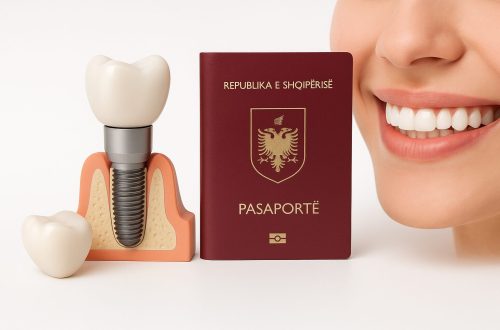
A dental implant is an artificial tooth root, typically made of titanium or zirconia, surgically placed into the jawbone to replace a missing tooth. After the implant is positioned, a healing process called osseointegration allows the bone to fuse with the implant surface, creating a stable foundation. Once healed, an abutment and a custom dental crown are attached, restoring full function and appearance.
Dental implants are valued for their long-term stability and their ability to prevent bone loss by stimulating the jawbone, similar to a natural tooth root. They also provide a natural look and feel, allowing patients to chew, speak, and smile with confidence. According to the American Academy of Implant Dentistry (AAID), implants can last for decades when properly cared for. Find more about dental implants here.
What Are Dental Bridges?
A dental bridge is a fixed prosthetic device that replaces one or more missing teeth by anchoring an artificial tooth (or teeth) — called a pontic — to adjacent natural teeth (abutments). The adjacent teeth are typically prepared (reduced in size) to receive crowns that support the bridge.

The procedure usually involves the following steps:
- Assessment and preparation of the abutment teeth (they are cleaned, shaped, sometimes root-canal treated if needed).
- Impressions of the prepared teeth and the gap are taken to fabricate the bridge in a dental laboratory.
- A temporary bridge may be placed. Then at the next visit the final bridge is fitted, adjusted for bite and aesthetics, and cemented securely.
Key benefits:
- Faster treatment timeline compared to implant placement and healing — often completed in just 2-3 visits.
- Lower initial cost than implants in many cases, making it more accessible.
- Predictable clinical outcome, especially when abutment teeth are healthy and well-prepared.
- Well-established track record: fixed dental bridges have been used successfully for decades in restorative dentistry.
Side-by-Side Comparison Table
| Feature | Dental Implants | Dental Bridges |
|---|---|---|
| Lifespan | 15–25+ years | 7–15 years |
| Effect on Adjacent Teeth | No alteration required | Neighboring teeth must be filed down |
| Bone Preservation | Prevents bone loss | Does not prevent bone loss |
| Cost | Higher initial cost | Lower initial cost |
| Procedure Time | Longer (surgery + healing) | Shorter (usually 2–3 visits) |
Cost Comparison (General Estimates)
Dental Implants
General price ranges for a single implant (implant + abutment + crown):
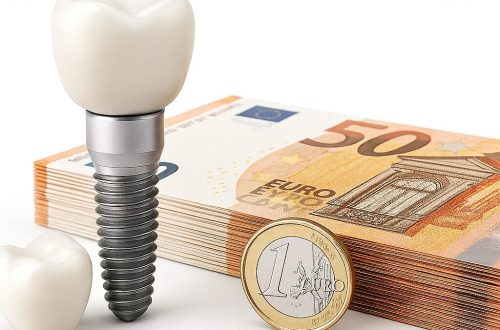
- United States: approx. $3,000 – $5,800 per tooth.
- Europe (varies by country): approx. €1,200 – €3,000 per tooth.
- Factors that increase cost include bone grafting, sinus lift, CBCT scans, and premium materials such as zirconia.
Dental Bridges (3-unit bridge)
Typical pricing for a standard 3-unit bridge supported by natural teeth:
- Europe: approx. €1,100+ depending on materials and lab work.
- United States: estimates range from $3,500 – $10,000 for a 3-unit bridge.
Cost Variables
Prices differ based on:
- Dentist/implant surgeon expertise
- Implant or prosthetic material (titanium vs zirconia; ceramic vs porcelain-fused-to-metal)
- Laboratory technology and fabrication quality
- Geographic region and clinic pricing policy
According to the American Dental Association (ADA), treatment costs vary significantly depending on geography and clinical complexity.
Pros and Cons Overview
If you’re missing a tooth, you’re likely torn between two main options: dental implants or dental bridges. Both restore your smile, let you chew properly again, and improve your confidence. But they’re very different treatments — and choosing the right one depends on your situation. Here’s a clear breakdown of what each option brings to the table.
Implants – Pros
- They last a long time: With good care, implants can last 25 years or even longer.
- They protect your jawbone: Since implants replace the tooth root, they keep your jawbone healthy and help preserve your facial structure.
- They feel completely natural: No slipping, no discomfort — just like your real tooth.
According to the American Academy of Periodontology, implants preserve bone and have success rates over 90%.
Implants – Cons
- They’re more expensive up front: Implants are a bigger investment compared to bridges.
- They require a surgical procedure: It’s minor, but it still involves healing time.
- Not suitable for everyone: If you have major bone loss, uncontrolled diabetes, or smoke heavily, implants may not be recommended.
Bridges – Pros
- Treatment is quicker: No surgery, and it’s usually done in a few appointments.
- Lower initial cost: Bridges are generally more affordable, especially if you’re replacing a single tooth.
- Great for people who can’t get implants: When implants aren’t an option, bridges offer a solid, functional solution.
The Journal of Prosthetic Dentistry confirms that dental bridges remain a trusted solution in modern restorative care.
Bridges – Cons
- They don’t last as long: Most bridges need to be replaced after 7 to 15 years.
- They affect nearby teeth: The teeth next to the gap must be filed down to support the bridge.
- No help for bone loss: Since they sit above the gumline, they don’t stimulate the jawbone underneath.
Clinical Considerations: Which Option Is Better for You?
Choosing between a dental implant and a bridge isn’t just about cost or speed — it’s about what’s best for your specific case. Several clinical and lifestyle factors should be taken into account before making a final decision.
- Oral health and bone condition:
If your jawbone is strong and healthy, implants are often the preferred long-term solution because they help maintain bone volume. However, if you’ve had significant bone loss or untreated gum disease, a bridge might be a safer and faster route — unless bone grafting is an option. - Number of missing teeth:
For one or two missing teeth, both options are viable. But if you’re missing several teeth in a row, an implant-supported bridge might be more stable and less invasive than placing multiple individual implants. On the other hand, traditional bridges might be considered when the gap is small and neighboring teeth are healthy enough to support the load. - Budget and insurance:
Implants typically have a higher initial cost, and many insurance plans either don’t cover them or only reimburse a portion. Bridges are usually more budget-friendly up front and may be partially or fully covered. However, consider the long-term costs too — implants last longer, which may save money over time. - Aesthetic expectations:
Both solutions can look very natural when done properly. That said, implants tend to offer superior aesthetics, especially in the front of the mouth, because they emerge from the gum like a real tooth and don’t require visible attachments to other teeth. - Medical conditions impacting healing:
Certain health issues can affect your eligibility for implants. For example, uncontrolled diabetes, smoking, or immune system disorders can impair healing and increase the risk of implant failure. In these cases, a bridge may be a more predictable and practical option.
Proper evaluation of bone health, medical background, and personal habits is key to successful implant treatment.
Both dental implants and bridges are proven, effective solutions for replacing missing teeth — but they serve different needs, goals, and situations. Implants are ideal if you’re looking for a long-term, bone-preserving option that feels and functions like a natural tooth. On the other hand, bridges offer a faster and more affordable route, especially if you’re not a candidate for implant surgery or need a quicker solution.
When deciding between the two, consider your overall oral health, the condition of your jawbone, how many teeth are missing, your medical background, and of course — your budget. No one solution fits everyone, and what worked for someone else might not be right for you.
The smartest next step? Book a consultation with a qualified implant dentist or prosthodontist. They’ll evaluate your specific case, explain the pros and cons in your context, and help you build a treatment plan that fits your needs — both clinically and financially.
Tooth replacement is more than just filling a gap — it’s about restoring function, confidence, and long-term oral health. Take the time to make an informed decision.