Dental implants are widely considered the gold standard in modern tooth replacement, offering stability, strength, and long-term functionality that other solutions simply cannot match. Patients hear that implants can last a lifetime, but most do not understand what that really means in clinical practice. The lifespan of an implant is not determined by a single factor—it is the result of surgical precision, implant design, bone quality, oral hygiene, lifestyle habits, and the patient’s overall health. Because of this, there is no universal “expiration date.” Some implants function flawlessly for 30 or more years, while others fail much earlier due to…

-
-
Fear of pain is one of the main reasons people postpone dental implant treatment, even when they know it is the most reliable way to replace missing teeth. Many patients imagine complex surgery, long recovery, and intense discomfort. In reality, modern implant dentistry looks very different from what most people expect. Thanks to advanced anesthetics, minimally invasive surgical techniques, and precise planning, the majority of patients report only mild discomfort during and after the procedure. Clinical data consistently confirms this. A study published in the International Journal of Oral & Maxillofacial Implants found that most patients rated postoperative pain as…
-
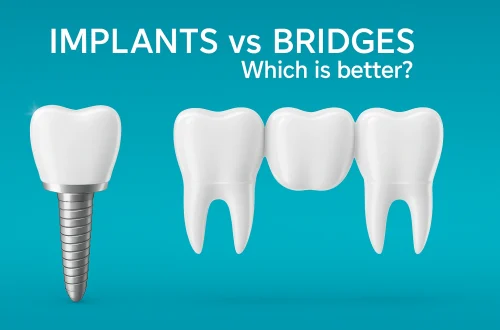
Replacing a missing tooth is more than a cosmetic fix — it restores key oral functions like chewing, speech and bite balance, and helps preserve overall oral health and facial structure. Studies show that tooth loss significantly reduces quality of life, affecting chewing ability, social interaction and self-confidence. Today’s two main fixed-tooth replacement options are dental implants (an artificial root plus crown) and dental bridges (a prosthetic tooth anchored to neighbouring teeth). Both aim to restore appearance and function, yet they differ in procedure, cost, longevity and impact on surrounding tissue. The core challenge for many patients is: which option…
-
Turkey has become one of the most popular destinations for dental implants, attracting thousands of patients from Europe, the UK, the Middle East, and the USA every year. The reason is simple: patients can save a significant amount of money while still receiving treatment in modern clinics equipped with advanced technology and experienced implantologists. However, lower prices are not the only factor. Many clinics in Turkey offer complete treatment packages that include airport transfers, accommodation, and dedicated patient coordinators who speak multiple languages. For many people, this makes the entire process faster, easier, and more comfortable than undergoing treatment at…
-
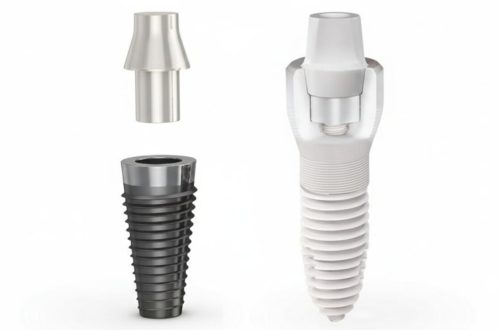
Dental implants are artificial tooth roots, typically made of titanium or zirconia, that are surgically placed into the jawbone to support crowns, bridges, or dentures. They are a popular and effective solution for replacing missing teeth, offering improved aesthetics, chewing function, and long-term stability. However, despite their durability, dental implants are not immune to complications. Unlike natural teeth, implants do not have a periodontal ligament, which means they lack the same natural defense mechanisms. The surrounding tissue is more susceptible to inflammation, and once bone loss begins, it’s often irreversible. Proper daily cleaning is essential to prevent plaque accumulation, which…
-
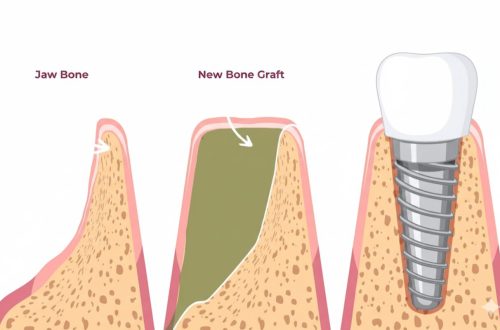
Losing a single tooth may seem like a small problem, but its impact reaches far beyond appearance. Even one missing tooth can disrupt chewing efficiency, alter speech, and cause progressive changes in the jawbone. Research shows that the bone in an untreated extraction site can lose up to 25% of its volume within the first year, with continued resorption over time if no root or implant is present to stimulate the bone (Atwood, 1979; Schropp et al., 2003). The most common reasons for single tooth loss include trauma, advanced tooth decay, and periodontal disease, all of which can compromise not…
-
Eating the right foods after dental implant surgery plays a crucial role in healing, reducing discomfort, and protecting the surgical site. During the first days and weeks, the tissues around the implant are still sensitive, and improper food choices can lead to irritation, infection, or even implant failure. A well-planned post-implant diet helps patients maintain proper nutrition, prevent excessive chewing pressure, and support faster osseointegration. This guide outlines what to eat, when to transition to different food textures, and how to avoid the common dietary mistakes that can compromise recovery. Why Diet Matters After Implant Surgery A well‑planned nutritional strategy…
-
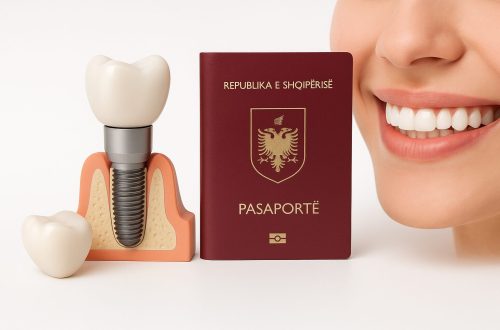
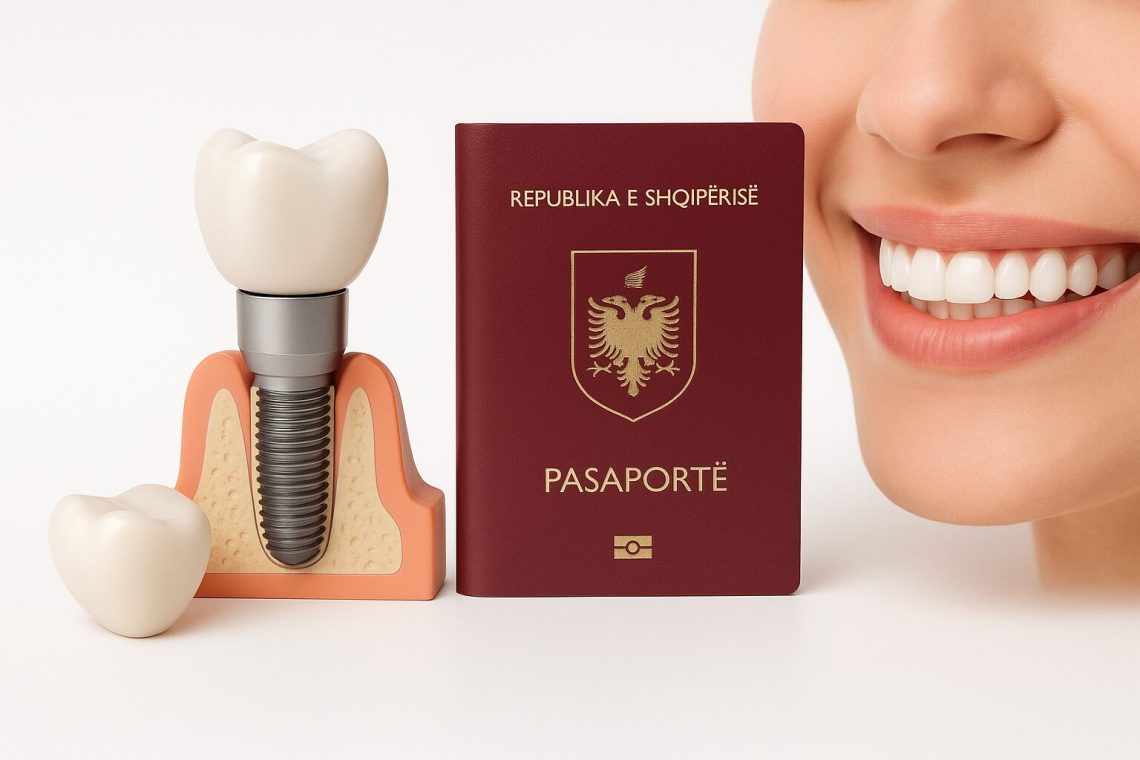
In recent years, Albania has emerged as one of the most sought-after destinations for affordable, high-quality dental care—particularly dental implants. Patients from across Europe and even North America are increasingly choosing Albanian clinics over domestic providers, saving thousands of euros while receiving top-tier treatment. But why Albania? What makes this small Balkan country stand out in the competitive world of dental tourism? This article explores the key reasons behind Albania’s growing reputation in implant dentistry: from modern clinics and Western-trained surgeons to unbeatable prices and picturesque recovery options. If you’re considering getting dental implants abroad, understanding what Albania offers can…
-
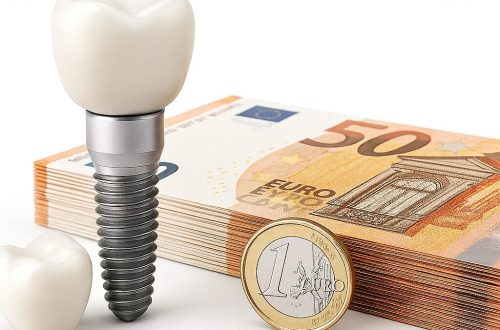
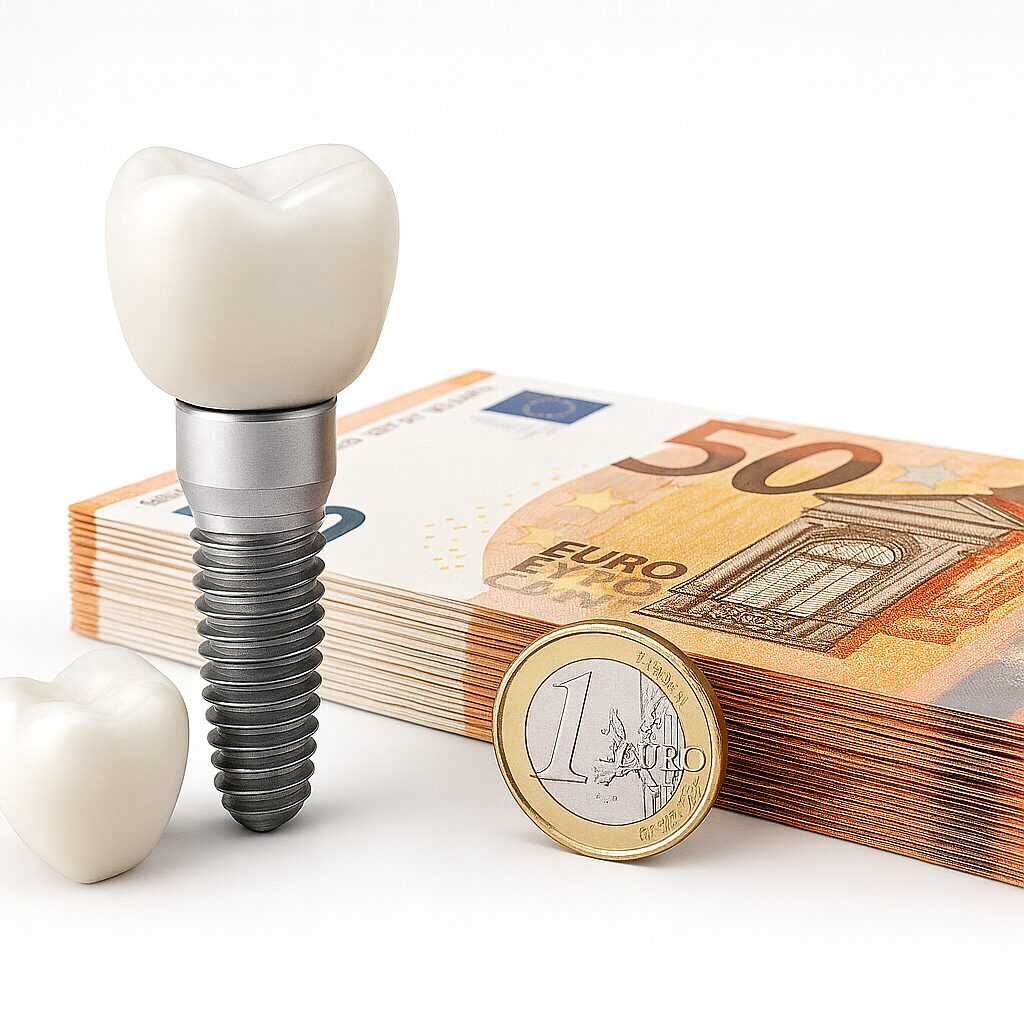
Dental implants are widely recognized as the most effective and durable solution for replacing missing teeth—but they also come with a price tag that often raises questions. Unlike standard dental treatments with fixed fees, the cost of implants can vary significantly depending on multiple factors, including geography, materials used, the complexity of the case, and the experience of the dental professional. This variability can be confusing for patients who are trying to make an informed decision. One clinic may advertise implants for a fraction of the cost of another, leading to uncertainty about what’s included, what’s extra, and whether lower…
-
Tooth loss is a common issue affecting millions of people worldwide, leading not only to aesthetic concerns but also to functional problems such as impaired chewing, speech difficulties, and progressive bone loss. Dental implants have emerged as the most advanced and biologically sound solution for replacing missing teeth, offering long-term stability, high success rates (consistently over 95% at the 10-year mark), and restoration of full oral function. For patients seeking a permanent, reliable alternative to dentures and bridges, dental implants provide a revolutionary path to restored confidence and oral health. They are the only treatment option that actively stimulates and…