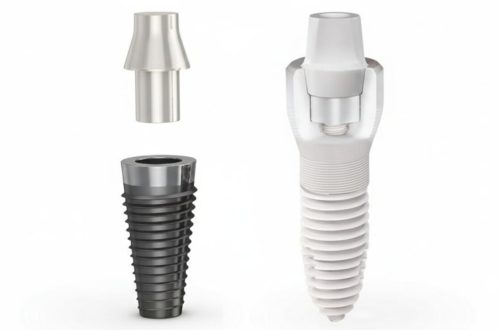
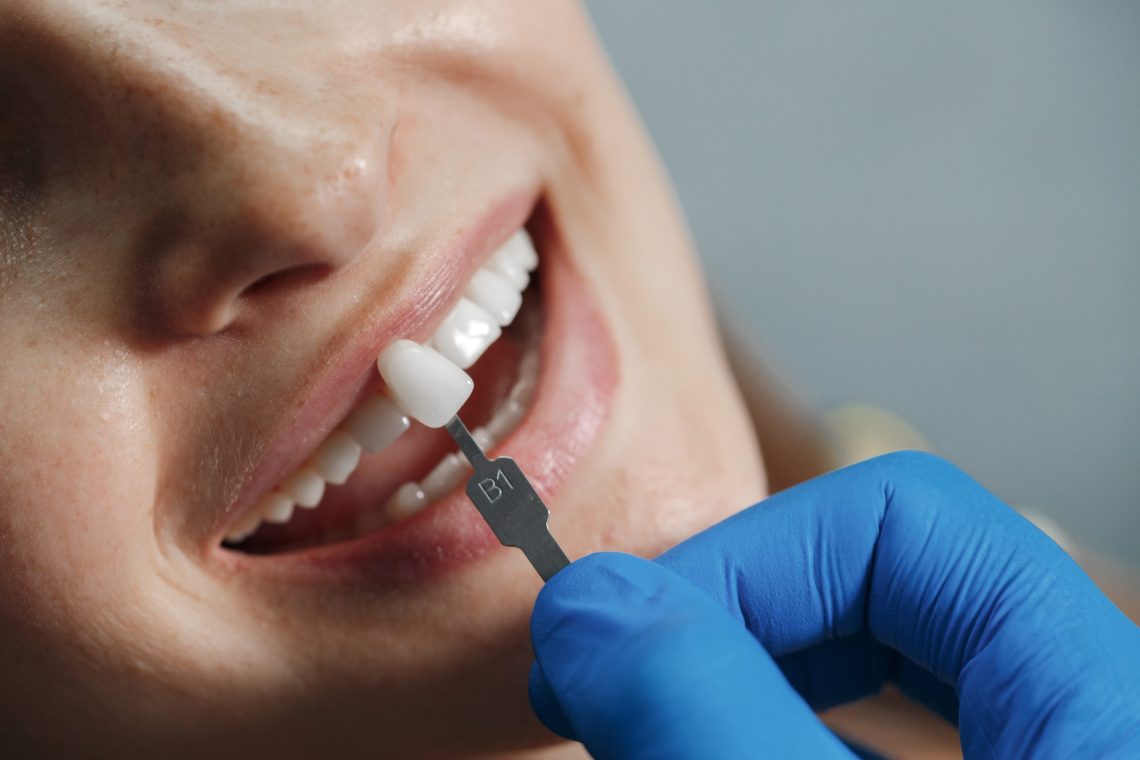
Losing a tooth can be a stressful and disruptive experience, often accompanied by the fear of long, multi-stage dental treatments. For years, the traditional path to a full dental implant restoration involved months of waiting between surgery, healing, and the final placement of the permanent crown. This protracted timeline often meant long periods with visible gaps or uncomfortable temporary solutions.
But what if you could restore your smile and confidence in just one day?
This is precisely why Same-Day Implants—also known as Immediate Load Dental Implants—have become a revolutionary option in modern dentistry. They offer a solution to the desire for fast, efficient, and aesthetically pleasing tooth replacement. The concept is simple yet powerful: instead of waiting several months for the implant post to heal before attaching a tooth, the entire procedure (implant placement and the attachment of a functional, temporary tooth) is completed during a single surgical appointment.
This article serves as your complete guide. We will thoroughly define the process, outline the significant benefits of this accelerated approach, and, most importantly, detail the specific criteria that determine if you are a suitable candidate for this state-of-the-art restorative technique.
What exactly are Same-Day Implants?
The fundamental concept underpinning Same-Day Implants—also known in professional circles as Immediate Load Dental Implants—represents a paradigm shift in restorative dentistry. The traditional approach mandates two distinct phases: surgical placement of the titanium implant post, followed by a mandatory healing period lasting typically three to six months to allow for biological fusion (osseointegration), before a crown or bridge can be attached.
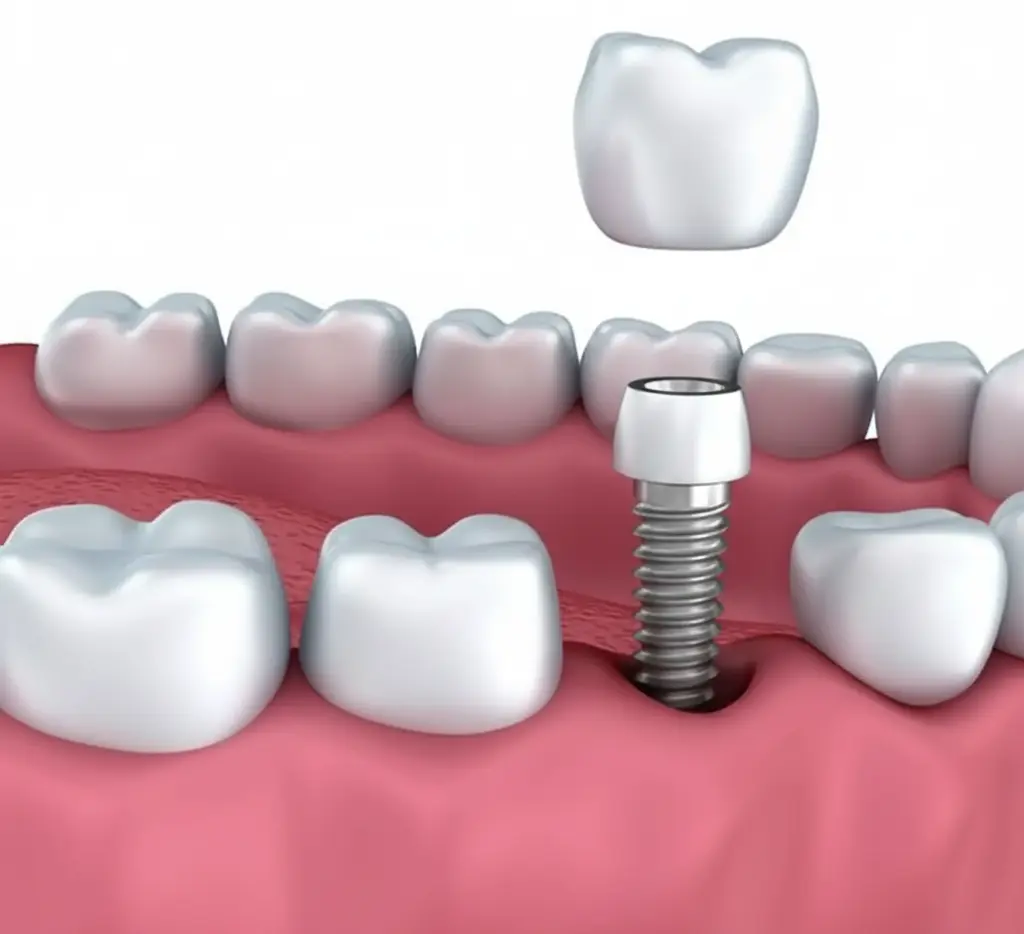
The Immediate Load technique, however, achieves the placement of the implant post and the attachment of a functional, aesthetic temporary tooth or bridge during a single surgical appointment. This dramatically reduces the patient’s total treatment timeline.
The crucial role of primary stability
The success of the same-day procedure hinges entirely on a biomechanical principle known as Primary Stability.
Primary stability is the mechanical resistance of the implant against micromovements immediately after its insertion into the jawbone. It is quantified by the tightness and rigidity achieved during the placement. For an implant to be suitable for immediate loading, it must possess a high degree of primary stability. The clinical loading criterion typically requires an insertion torque (IT) ranging from 30 to 45 Ncm to ensure implant stability during osseointegration. This high mechanical stability is what allows the surrounding bone tissue to begin the healing and integration process (secondary stability) without being disrupted by the forces of biting or chewing on the temporary crown. If the implant does not achieve the necessary stability threshold, the traditional delayed loading approach must be used to ensure long-term success.
Same-Day vs. traditional implants
The distinction between the two methods lies solely in the timing of when the functional load is applied:
| Feature | Same-Day (Immediate Load) | Traditional (Delayed Load) |
| Healing Time | Temporary crown placed immediately. | Mandates 3–6 months healing before crown. |
| Loading | Implant is immediately loaded with a temporary restoration. | Implant is left to heal (unloaded) for several months. |
| Aesthetics | Restored smile achieved upon leaving the clinic. | Patient must wear a removable denture during healing. |
The Same-Day technique eliminates the aesthetic and functional gap, allowing the patient to leave the clinic with a complete smile. Studies show that implant survival rates are comparable between immediate and delayed loading, with no significant statistical difference during the waiting period.
The same-day implant process: step-by-step
Understanding the procedure for immediate load implants is key to appreciating the science behind the swift results. While the treatment concludes in one appointment, the success hinges on detailed preparatory work done beforehand.
Initial consultation and advanced planning
The process begins long before the surgery. The implant specialist must confirm that the patient is a suitable candidate (as we will detail later). This planning phase is crucial and involves state-of-the-art diagnostic technology:
- 3D Cone-Beam Computed Tomography (CBCT) scan: A CBCT scan provides the surgeon with a three-dimensional view of the patient’s jawbone structure, nerve pathways, and sinus cavities. This allows for precise measurement of bone density and volume, ensuring the implant can be placed in the strongest possible position to achieve primary stability.
- Digital treatment planning: Using specialized software, the surgeon maps the exact placement, angle, and depth of the implant digitally. In many advanced cases, this planning leads to the creation of a surgical guide—a custom template that ensures the real-life surgery perfectly mirrors the digital plan, minimizing invasiveness and surgical time.
- Temporary restoration design: The dental technician pre-designs the temporary crown or bridge based on the CBCT data and digital impressions, ensuring it is ready for immediate attachment on the day of surgery.

The surgical placement
On the day of the procedure, the implant is placed with precision:
- Preparation: Local anesthesia is administered, and the surgical site is prepared. Any necessary remaining tooth extractions are performed carefully.
- Implant insertion: The titanium implant post is surgically inserted into the jawbone. The surgeon focuses on achieving high insertion torque to maximize the crucial primary stability needed for immediate loading.
- Stability check: The surgeon performs a final check to confirm the implant meets the necessary stability criteria. If the stability is insufficient, the immediate load procedure is stopped, and the treatment shifts to the traditional, delayed approach to ensure the highest success rate.
Immediate loading: function in the same appointment
This is the phase that defines the “Same-Day” experience:
- Abutment attachment: The abutment (the connector piece) is attached to the newly placed implant post.
- Temporary crown placement: The pre-designed temporary crown or bridge is immediately affixed to the abutment. This restoration is functional and highly aesthetic, allowing the patient to leave the clinic with a complete smile.
- Crucial caveat: It is vital for patients to understand that this temporary restoration is designed to provide aesthetics and limited function only . It is engineered to withstand minimal forces, protecting the implant underneath while osseointegration begins.
The final step: permanent restoration
The process is completed several months later (typically 3 to 6 months), after the healing phase:
- Once the jawbone has fully fused with the titanium implant (osseointegration is complete), the temporary crown is removed.
- The final, permanent crown or bridge—made of durable, high-strength materials like zirconia—is fabricated and permanently attached, completing the restoration.
Key benefits of choosing immediate load
Choosing the immediate load protocol for dental implants offers significant advantages over the traditional delayed approach, improving both the clinical experience and the patient’s overall quality of life.
Time efficiency and reduced appointments
The most apparent benefit of same-day implants is the dramatic reduction in the overall treatment timeline and the number of required visits. By collapsing the placement of the implant post and the temporary restoration into a single surgical appointment, patients can see their overall chair time significantly reduced. This time-saving factor is especially appealing for individuals with busy schedules or those traveling for dental care.
Immediate aesthetic improvement
For patients who have lost a tooth, particularly in the highly visible anterior region (front of the mouth), the ability to receive a provisional crown immediately offers immense aesthetic relief. Unlike traditional methods, where a temporary appliance might be necessary, immediate loading ensures the patient leaves the office with a restored smile and no visible gap. This immediate aesthetic outcome is a primary driver of patient satisfaction.
Improved function and quality of life
Immediate loading allows patients to experience a return to function almost instantly, though with strict limitations. Patients can immediately use their new temporary teeth for basic functions like speaking and soft chewing, which greatly improves confidence and social interaction compared to wearing a removable prosthetic. This rapid transition back to function contributes positively to the patient’s psychological well-being and reduces anxiety associated with tooth loss.
Convenience and comfort
The procedure eliminates the need for a prolonged period of wearing removable temporary dentures or other temporary appliances. Removable prosthetics can be uncomfortable, affect speech, and be inconvenient, whereas a fixed temporary crown is stable and feels more like a natural tooth. The convenience and comfort provided by a fixed provisional restoration are key clinical advantages of the same-day approach.
Who is a candidate for same-day implants?
While the immediate load procedure is highly desirable, not every patient is an ideal candidate. The success of the protocol relies on a strict combination of local anatomical conditions and the patient’s overall systemic health.
The ideal candidate requirements
The most critical factor determining eligibility is the quantity and quality of the jawbone.
- Excellent bone density and volume: The implant site must possess sufficient bone mass to ensure the high primary stability necessary for immediate loading. The stability is typically measured via insertion torque or Resonance Frequency Analysis (RFA) to confirm the implant is rigidly secured immediately upon placement.
- Good oral health and hygiene: The patient must have healthy soft tissues (gums) and no active periodontal disease or infection at the implant site. Excellent ongoing oral hygiene is paramount for the long-term success of both the implant and the provisional restoration.
- Favorable occlusion (bite): The patient must have a bite pattern that allows the temporary restoration to be placed in a position where it is not subjected to excessive forces during the initial healing period.
Key exclusions and risk factors
Patients with specific conditions or requirements may be automatically excluded from the immediate loading protocol:
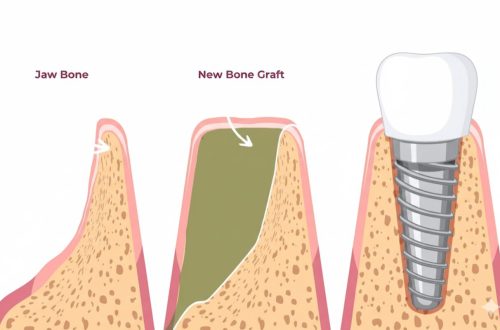
- Need for major bone grafting: Patients who require extensive bone augmentation (grafting) at the time of implant placement are generally not candidates for immediate loading, as the stability of the graft compromises the primary stability of the implant.
- Uncontrolled systemic conditions: Uncontrolled systemic diseases, particularly severe diabetes (due to impaired healing) or uncontrolled immune disorders, increase the risk of osseointegration failure and typically disqualify patients from the immediate protocol.
- Heavy smoking: Heavy smokers often exhibit poor healing capacity and compromised blood supply in the gums, significantly lowering the survival rate of immediately loaded implants.
Managing expectations: risks and aftercare
While same-day implants offer rapid results, the success of the long-term outcome relies heavily on patient cooperation and adherence to strict post-operative protocols. It is crucial for patients to understand the difference between immediate aesthetics and biological reality.
Initial risks and failure factors
The initial period following the procedure carries a slightly higher initial risk of implant failure compared to the traditional delayed approach. This increased risk is primarily associated with mechanical overloading. If the temporary restoration is subjected to forces beyond its tolerance, micromovements occur, which can disrupt the delicate process of osseointegration and lead to the failure of the implant [Effect of micromovement on osseointegration failure]. This is why primary stability is monitored so closely during surgery.
Crucial aftercare: non-negotiable diet
The most critical post-operative instruction is the strict adherence to a soft-food diet for the entire initial healing phase, which typically lasts three to six months. This limitation is non-negotiable.
- The provisional crown or bridge is attached immediately, but the bone around the titanium post is still undergoing healing and fusion (osseointegration).
- A soft-food diet ensures that the forces transmitted to the implant are minimal, preventing overload and allowing the bone cells to securely bond with the implant surface. Failure to maintain this diet drastically increases the risk of implant loss.
The temporary nature of the immediate tooth
Patients must manage the expectation that the tooth they receive on the day of surgery is only a temporary solution.
- This immediate restoration is designed for aesthetics and light function. It is made from materials that are less durable than the final crown.
- The permanent, custom-designed restoration, made from high-strength materials like zirconia, will be placed only after the surgical site is fully healed and the implant is completely integrated into the jawbone. This final step guarantees the long-term success and durability of the implant.
Conclusion
Same-Day Implants (Immediate Load Implants) stand as a definitive, state-of-the-art solution in modern restorative dentistry. By placing the functional, aesthetic temporary restoration in a single appointment, this protocol directly addresses the patient’s desire for swift, minimally disruptive treatment following tooth loss.
The core of the procedure lies in achieving high primary stability—the prerequisite that dictates whether immediate loading is possible.
When to consider same-day implants
It is advisable to consider same-day implants when:
- Time is critical: The patient requires an immediate aesthetic outcome and cannot tolerate a prolonged period without a fixed tooth.
- The clinical conditions are optimal: The patient possesses excellent bone density and volume, which meets the high stability threshold required for the protocol.
- Avoiding temporary dentures: The patient strongly prefers to bypass the inconvenience and discomfort of wearing removable temporary prosthetics.
Price considerations
Generally, the cost of a Same-Day Implant procedure is comparable to, or moderately higher than, the traditional delayed implant procedure. While the materials used for the final crown are identical, the immediate protocol requires extensive pre-surgical digital planning (CBCT, surgical guides) and specialized prosthetic work to prepare the immediate temporary restoration. Therefore, the added value is derived not from a cheaper final product, but from the convenience and time saved by consolidating the treatment phases.
The procedure is worth the investment when the patient is an ideal candidate, and when the value of immediate confidence and functional restoration outweighs the moderate increase in the overall treatment cost.
Final advice
Given the stringent criteria for bone quality and stability, the successful outcome of the immediate load procedure relies heavily on accurate diagnosis. Patients should always choose an experienced implant specialist to thoroughly assess their candidacy and determine whether the immediate protocol or the traditional delayed approach offers the highest chance of long-term success.