
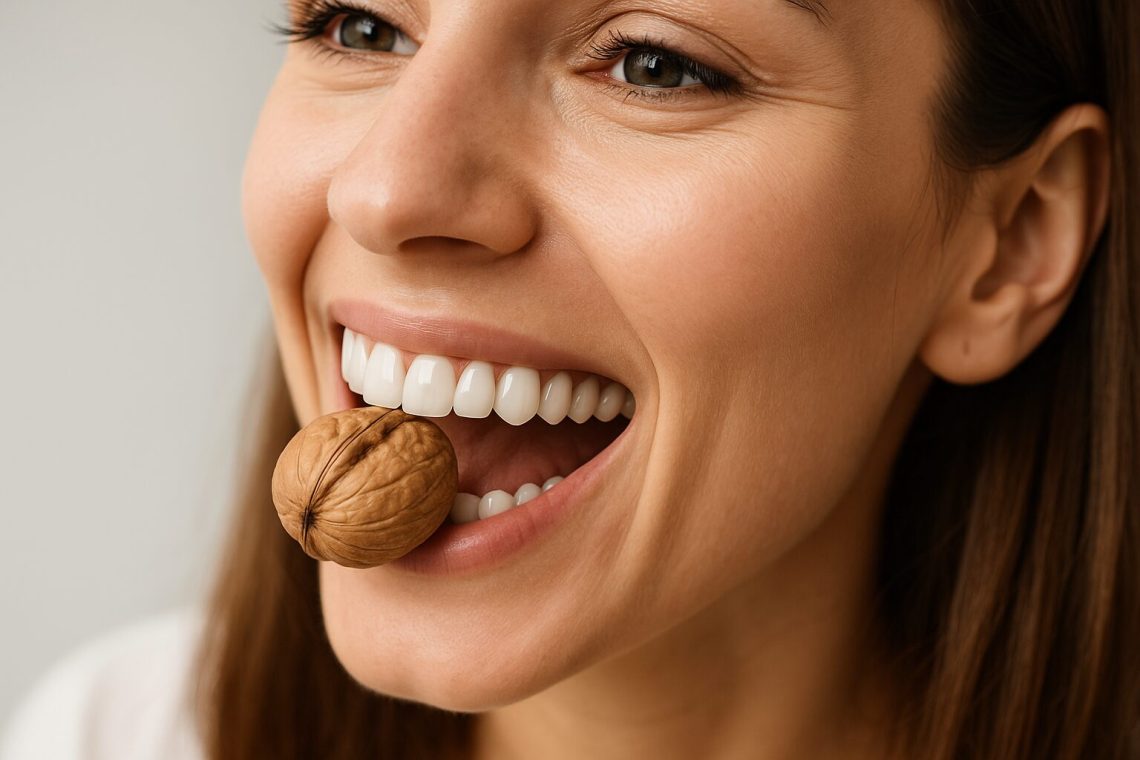
Eating the right foods after dental implant surgery plays a crucial role in healing, reducing discomfort, and protecting the surgical site. During the first days and weeks, the tissues around the implant are still sensitive, and improper food choices can lead to irritation, infection, or even implant failure. A well-planned post-implant diet helps patients maintain proper nutrition, prevent excessive chewing pressure, and support faster osseointegration. This guide outlines what to eat, when to transition to different food textures, and how to avoid the common dietary mistakes that can compromise recovery.
Why Diet Matters After Implant Surgery
A well‑planned nutritional strategy plays a critical role in the success of dental implant treatment. From the moment the implant is placed, the body enters a complex healing process that requires support—not only from the surgical team, but also from the patient’s diet. Key dietary factors influence the stability of the implant, the integrity of the surgical site, and the speed of recovery.
Protecting the surgical site and sutures
After implant placement, the soft tissues around the implant fixture and the surgical sutures are vulnerable to mechanical stress, microbial invasion, and inflammation. Inadequate diet—especially hard, crunchy or sticky food—can disrupt the surgical site, delay healing, and increase the risk of complications. Soft, easy‑to‑chew foods reduce the mechanical load on sensitive areas and help maintain integrity of the surgical site during the critical early phase of healing. Clinical reviews show that the combination of proper surgical protocol and protective post‑operative habits—including dietary measures—improves tissue outcomes after implant placement (Boonsiriseth et al., 2014).
Supporting osseointegration (bone–implant bonding)
Osseointegration—the process by which the implant becomes anchored in the jawbone—is essential for long‑term success. This process depends on bone formation, vascular supply and metabolic support, which in turn rely on adequate nutrition. Emerging research has identified nutritional factors such as vitamin C, vitamin D, calcium and magnesium as influential in peri‑implant bone healing. For example, vitamin C is known to accelerate collagen synthesis and enhance wound repair, while deficiencies in vitamin D adversely affect bone regeneration around implants. Thus, a nutrient‑rich diet helps create an optimal biological environment for the implant to integrate and function effectively.
Preventing infection & inflammation
The risk of infection or chronic inflammation around an implant (peri‑implantitis) is higher when the surrounding tissues are compromised by poor healing or systemic factors. Nutrition influences immune function, inflammatory response and tissue regeneration. A review of dietary strategies for wound healing found that protein adequacy, vitamin intake and hydration status are all significant predictors of favorable healing outcomes, and that a suboptimal diet may delay recovery and increase susceptibility to complications.
Ensuring adequate protein, vitamins, and hydration
Nutrition supplies the building blocks for tissue repair. Protein provides amino acids necessary for new cell growth; vitamins (such as C, A, D) support collagen synthesis and bone metabolism; minerals like zinc and magnesium regulate bone turnover and immune responses. For example, a study indicated that combining dental implants with nutritional education significantly improved dietary intake and biomarkers in older adults receiving fixed implant‑supported dentures. Hydration is equally important, as adequate fluid balance supports tissue perfusion and reduces risk of dry mouth, which can impede healing.
Phases of Post-Implant Eating
The dietary approach following dental implant surgery must align with the biological healing stages of both soft and hard tissues. Nutritional adjustments are not only about comfort—they play a direct role in wound protection, infection control, and osseointegration. Below is a phase-based framework guiding what to eat and what to avoid during recovery, based on clinical recommendations and oral surgery protocols.
Phase 1: First 24–48 Hours
This is the most critical period for wound stabilization, clot formation, and early inflammatory control. The surgical site remains highly sensitive, and any mechanical stress or thermal shock can compromise healing.
Recommended:
- Cold or room-temperature liquids and semi-liquids
- Smooth soups (lukewarm), protein shakes, yogurt, broths
- Hydrating fluids (water, herbal teas, electrolyte solutions)
Avoid:
- Hot foods and beverages (risk of dissolving the clot or irritating tissues)
- Chewing on the surgical side
- Acidic drinks (e.g., orange juice) which may irritate tissue
- Alcohol and carbonated beverages
According to Chiapasco et al. (2008), avoiding mechanical and thermal trauma in the first 48 hours significantly reduces early post-operative complications and promotes tissue stability.
(Chiapasco et al., Journal of Oral and Maxillofacial Surgery, 2008)
Phase 2: Days 3–7
The initial inflammation begins to subside, but the site is still healing. Sutures may be present, and gentle care remains essential. Swelling may persist but typically begins to resolve.
Recommended:
- Mashed potatoes, scrambled eggs, cooked cereals (e.g., oatmeal), cottage cheese
- Soft-cooked vegetables, pasta, soft fruits (bananas, ripe avocados)
- Soft proteins like fish, tofu or ground meat (well-cooked and moist)
Avoid:
- Chewing on or near the implant area
- Crunchy, sticky, or crumbly foods (e.g., toast, chips, rice)
- Spicy or highly seasoned foods that may irritate tissues
A 2020 systematic review in the Journal of Clinical Medicine emphasized that patient compliance with a mechanically soft diet during the first week is associated with improved soft tissue healing and reduced early implant failure rates.
(Buser et al., JCM, 2020)
Phase 3: Weeks 2–6
By this stage, soft tissues have largely healed, and the bone is undergoing early osseointegration. Controlled loading is sometimes introduced depending on the case, but dietary caution remains advisable—especially with immediate-loading protocols.
Recommended:
- Tender meats (chicken, fish), steamed vegetables, rice, pasta
- Pancakes, omelets, soft bread (no hard crusts)
- Softer raw vegetables (e.g., peeled cucumbers), cheese, legumes
Guidelines:
- Continue chewing on the opposite side of the implant
- Introduce solid foods gradually, observing any discomfort
- Maintain meticulous oral hygiene after every meal
Studies suggest that premature stress on the implant area—especially during bone remodeling—can negatively impact osseointegration and increase micro-movements leading to failure (Javed & Romanos, 2010).
(Javed & Romanos, Implant Dentistry, 2010)
Best Foods to Eat After Implant Surgery
Post-implant nutrition should focus on soft textures, anti-inflammatory properties, and nutrients that support wound healing, immune function, and bone metabolism. Below is a categorized list of foods recommended during the early phases of recovery—based on clinical nutrition principles and oral surgery guidelines.
Liquids & Smooth Foods
Soft, hydrating options help maintain fluid balance and reduce mechanical stress on the surgical site. They also serve as easy delivery vehicles for proteins, vitamins, and minerals.
- Bone broth (lukewarm): Rich in collagen, amino acids, and minerals supportive of tissue repair
- Vegetable soups (blended, not chunky): Nutrient-dense, easily digestible
- Plain yogurt or kefir: Probiotic support and protein content
- Protein smoothies: Use milk, banana, protein powder; avoid seeds, grains or ice chunks
- Mashed potatoes or pureed carrots/squash: Gentle on tissues, easy to swallow
A review in Nutrition Reviews (2013) highlights the role of arginine, glutamine, and zinc in surgical wound healing, all present in broths, yogurt, and pureed vegetables.
(Demling RH, 2009)
Protein Sources
Protein is essential for collagen formation, cellular repair, and bone healing. The post-op diet should include soft, easily digestible sources of complete protein.
- Scrambled eggs: High in bioavailable protein and easy to chew
- Soft white fish (steamed or baked): Lean protein with omega-3 content
- Cottage cheese or ricotta: Mild, soft, high in casein protein
- Tofu: Plant-based, soft texture, contains iron and calcium
- Protein shakes: Ensure seedless, low-acid blends with sufficient protein (15–30g/serving)
Protein deficiency delays wound healing and impairs collagen synthesis. Clinical guidelines from the Academy of Nutrition and Dietetics recommend increased intake post-oral surgery (≥1.2g/kg/day).
(Andrews & Smith, 2015)
Soft Carbohydrates
Complex carbohydrates provide energy needed for immune response and tissue regeneration, while soft texture avoids stress on healing tissue.
- Oatmeal (well-cooked, plain): Soluble fiber for gut health, slow-release energy
- White rice or well-cooked pasta: Easy to chew and digest
- Ripe bananas: Potassium-rich and naturally soft, supportive of electrolyte balance
Avoid whole grains or raw fibrous vegetables in the first weeks—they can irritate healing sites or leave residue around sutures.
Healthy Fats
Fats are essential for cellular function, absorption of fat-soluble vitamins, and reducing inflammation. Choose soft, non-irritating sources:
- Avocado: High in monounsaturated fats and vitamin E
- Olive oil (added to soups or purees): Anti-inflammatory, supports healing
- Nut butters (smooth only): Good protein-fat blend; avoid crunchy versions or added sugar
Studies such as Calder (2006) confirm that omega-3 and monounsaturated fats enhance immune modulation and tissue recovery post-surgery.
(Calder PC, Clinical Nutrition, 2006)
Foods & Habits to Avoid After Dental Implant Surgery
While nutrition supports healing, avoiding certain foods and behaviors is equally important. Mechanical irritation, food particles trapped in the surgical site, and exposure to substances that interfere with tissue regeneration can compromise healing and increase the risk of implant failure. Below is a clinically backed overview of what to avoid in the days and weeks following implant placement.
Hard and Crunchy Foods
Biting into hard textures can place direct pressure on the implant site, disrupt sutures, or interfere with bone graft material in early healing phases.
- Examples to avoid: Nuts, chips, toasted bread, raw carrots, popcorn
- Risk: May cause mechanical trauma, bleeding, or implant destabilization
A study published in the Journal of Periodontology confirms that excessive occlusal forces during osseointegration can compromise implant stability and marginal bone integrity.
(Esposito et al., 2012)
Seeds, Grains, and Small Particles
Tiny particles can lodge in sutures or healing sockets, causing local irritation or infection.
- Avoid: Chia seeds, sunflower seeds, popcorn kernels, quinoa
- Why: Difficult to rinse out; increase risk of contamination or peri-implantitis
Clinical observations note that foreign-body entrapment during the early healing phase may trigger localized inflammation or disrupt clot formation (Yaghobee et al., 2013).
Sticky Foods and Chewing Gum
Sticky substances may pull on soft tissue, dislodge blood clots or healing membranes, and increase bacterial adhesion.
- Avoid: Caramel, toffee, dried fruits, chewing gum
- Risk: Interferes with surgical site stability and hygiene
Sticky foods have been associated with increased plaque retention and mechanical displacement in post-operative dental surgery (Lang & Tonetti, 2003).
Alcohol and Smoking
Both alcohol and tobacco significantly impair tissue healing and increase the risk of implant failure.
- Alcohol: Dehydrates tissues, impairs collagen synthesis, delays epithelial closure
- Smoking: Reduces blood flow, compromises osseointegration, increases infection risk
Meta-analyses indicate smoking is a major risk factor for early implant loss, with up to 2x higher failure rates among smokers compared to non-smokers (Chrcanovic et al., 2015).
(Journal of Dentistry, 2015)
Carbonated Beverages
Sodas and sparkling water can irritate the surgical site through acidity and carbonation, especially in the first 72 hours.
- Why to avoid: Carbonation can cause discomfort and may interfere with clot stabilization
- What to drink instead: Still water, herbal teas (lukewarm), protein shakes
Acidic pH levels of carbonated beverages have been shown to affect oral wound pH, potentially influencing healing quality (Ten Cate JM, 2001).
Hydration Guidelines After Dental Implant Surgery
Adequate hydration is essential for tissue healing, immune support, and the overall recovery process following dental implant surgery. Dehydration can delay wound healing, increase inflammation, and impair the body’s ability to fight infection. However, it’s not just about drinking enough fluids — how and what you drink also matters.
What to Drink
Water:
Plain, still water remains the best and safest option post-surgery. It supports circulation, regulates body temperature, and assists in cellular repair.
Herbal Teas (lukewarm):
Non-caffeinated herbal infusions such as chamomile or ginger tea can offer anti-inflammatory and soothing effects. Always ensure they are not hot, to avoid irritating the surgical site.
Oral Rehydration & Electrolyte Drinks:
Low-sugar electrolyte drinks may be beneficial, particularly if the patient is eating less than normal or recovering in hot climates.
Hydration plays a vital role in wound healing by maintaining perfusion and oxygenation of tissues (Simmons et al., Wound Healing and Hydration, 2010).
Avoid Using Straws
Using a straw creates negative pressure in the mouth, which can disturb the blood clot forming at the surgical site. This is particularly critical in the first 48 hours.
- Why it matters: Suction force may lead to bleeding, delayed healing, or dislodgement of grafting material.
- Recommendation: Sip slowly from a glass or cup instead.
The Journal of Oral and Maxillofacial Surgery advises against straw use after intraoral surgery due to the risk of disrupting clot formation and inducing dry socket-like complications.
(JOMS, 2015)
Limit Sugary and Caffeinated Beverages
Sugar-sweetened drinks:
Sodas, sweetened teas, and fruit juices can promote bacterial growth, which is undesirable near healing surgical areas.
Caffeine:
Caffeinated beverages like coffee or energy drinks can mildly dehydrate and may irritate sensitive oral tissues, especially when hot.
High sugar intake is linked to increased inflammation and impaired immune response, which can negatively affect surgical recovery (Harvard T.H. Chan School of Public Health, 2021).
Supplements & Nutrients That Support Healing
While a balanced diet is the foundation of post-operative recovery, certain supplements and nutrients may enhance healing, reduce inflammation, and improve outcomes after dental implant surgery—especially in the early osseointegration phase.
Here are science-backed supplements worth considering:
Vitamin C
Role: Critical for collagen synthesis and soft tissue healing.
Suggested Intake: 500–1000 mg daily.
Source: Carr & Maggini, Nutrients, 2017
Vitamin D3 + K2
Role: Supports bone metabolism, immune function, and calcium absorption (with K2 directing calcium into bones rather than arteries).
Suggested Intake: D3 (2000–4000 IU), K2 (100–200 mcg) daily.
Source: Heaney, AJCN, 2008
Omega-3 Fatty Acids (EPA/DHA)
Role: Anti-inflammatory effects that support healing and immune response.
Suggested Intake: 1000–2000 mg per day.
Source: Calder, J Clin Med, 2013
Collagen (Types I & III)
Role: Promotes regeneration of connective tissues and gum healing. Often paired with vitamin C for improved synthesis.
Suggested Intake: 5–10 g daily of hydrolyzed collagen peptides.
Source: Clark et al., CMRO, 2008
Zinc
Role: Supports cell proliferation, wound healing, and immunity.
Suggested Intake: 15–30 mg daily (as zinc gluconate or citrate).
Source: Lin et al., Nutrients, 2017
Important: Always consult a medical professional before starting supplements—especially if you’re taking medication or managing a health condition. Over-supplementation can interfere with recovery or cause adverse effects.
Sample 3-Day Soft Diet Menu
Example meals for post-surgery eating
Adhering to a soft diet after dental implant surgery is essential for protecting the surgical site and supporting healing. Below is a 3-day sample menu designed to provide adequate nutrition while minimizing chewing and irritation.
Each day includes protein, healthy fats, soft carbohydrates, and hydration support.
Day 1 – Liquid & Smooth Start (First 24–48 hours)
Breakfast
- Greek yogurt (plain, full-fat)
- Lukewarm chamomile tea
Snack
- Banana blended into a protein smoothie (no seeds)
Lunch
- Pureed vegetable soup with added olive oil
- Electrolyte drink (no carbonation)
Snack
- Cottage cheese with mashed avocado
Dinner
- Bone broth with blended lentils
- Kefir or unsweetened almond milk
Day 2 – Gentle Progression
Breakfast
- Oatmeal with mashed banana and collagen powder
- Warm herbal tea (e.g., ginger or rooibos)
Snack
- Scrambled eggs (soft) with olive oil
Lunch
- Mashed sweet potatoes with soft-cooked carrots
- Unsweetened yogurt with a drizzle of honey
Snack
- Protein shake (lactose-free if needed)
Dinner
- Soft-cooked fish (e.g., cod or tilapia)
- Soft risotto or creamy polenta
Day 3 – Introducing Soft Solids
Breakfast
- Cottage cheese with ripe peach slices (peeled)
- Warm herbal tea
Snack
- Tofu blended with hummus and olive oil
Lunch
- Soft pasta with pureed vegetable sauce
- Soft-cooked zucchini
Snack
- Kefir or soy yogurt with protein powder
Dinner
- Soft ground chicken or turkey patties (well-cooked, no crust)
- Mashed cauliflower with a teaspoon of butter
Tips:
- Keep all meals lukewarm—avoid hot or spicy foods.
- Rinse mouth gently with warm salt water after meals.
- Stay hydrated with frequent sips of water or herbal teas.
- Avoid chewing on or near the surgical site.
Conclusion
Successful dental implant recovery doesn’t depend solely on the surgical procedure—it also relies heavily on the patient’s choices in the days and weeks that follow. Among these, post-operative nutrition is one of the most critical and controllable factors. A well-structured diet not only protects the healing tissues but also supplies the nutrients necessary for cellular repair, immune defense, and osseointegration.
This guide has outlined every essential component of a recovery-friendly diet: what to eat, when to eat it, and what to avoid. From hydration strategies and macronutrient intake to food textures and timeline-based meal planning, each decision plays a role in maximizing healing potential and minimizing complications.
Patients who follow these evidence-based recommendations are more likely to experience fewer post-operative issues, faster recovery, and better long-term stability of their dental implants. As always, all dietary changes—especially supplements—should be discussed with your dental or medical provider.
A dental implant is an investment in long-term oral health. Your recovery plan, starting with what’s on your plate, should honor that investment.